
Contents :


From VivaTech to the 2026 Pre-Forum of the Future: The CSSC Network Continues Its Dialogue with Companies on Cultural Diversity
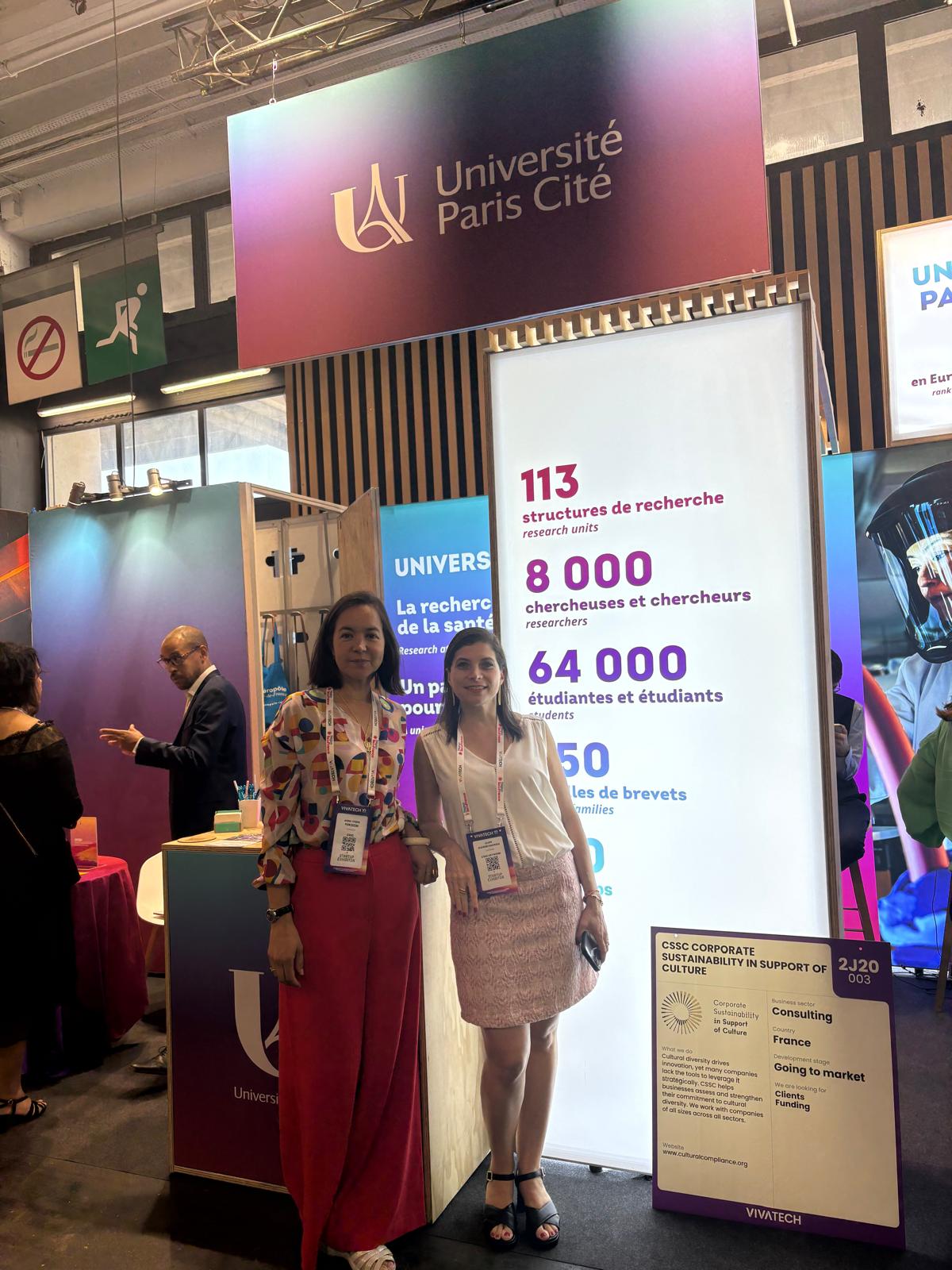
Following a landmark event at VivaTech 2026, where the co-founders of the CSSC Network – Corporate Sustainability in Support of Culture, Lilian Richieri Hanania and Anne-Thida Norodom, had the opportunity to present the Network’s work, its methodology, and the IDC Label – Inclusion and Diversity through Culture to numerous business representatives, this momentum continued on June 25, 2026 during the 2026 Pre-Forum of the Future, organized by the association Les Apprentis de l’Espérance Génération Culture.
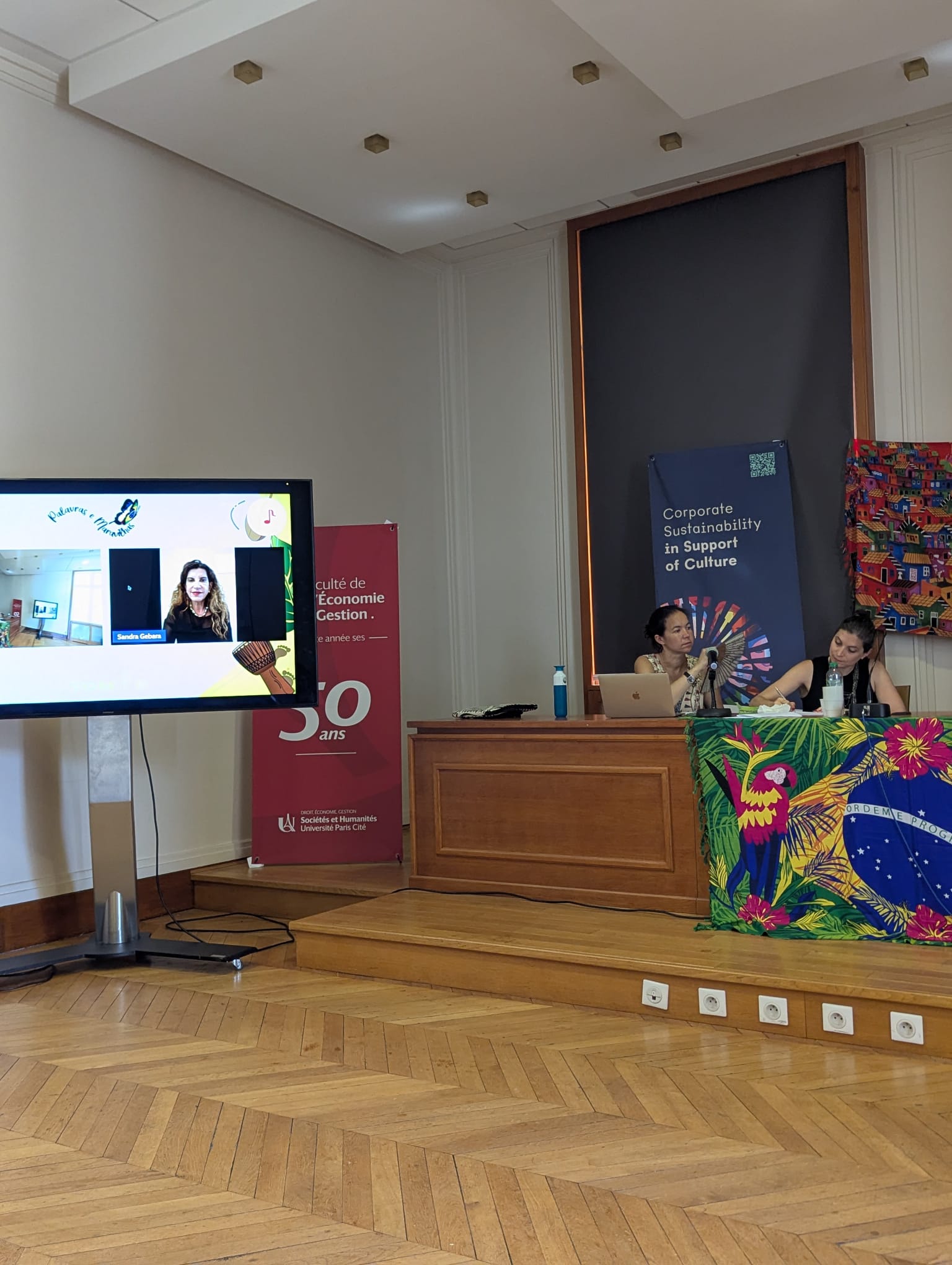
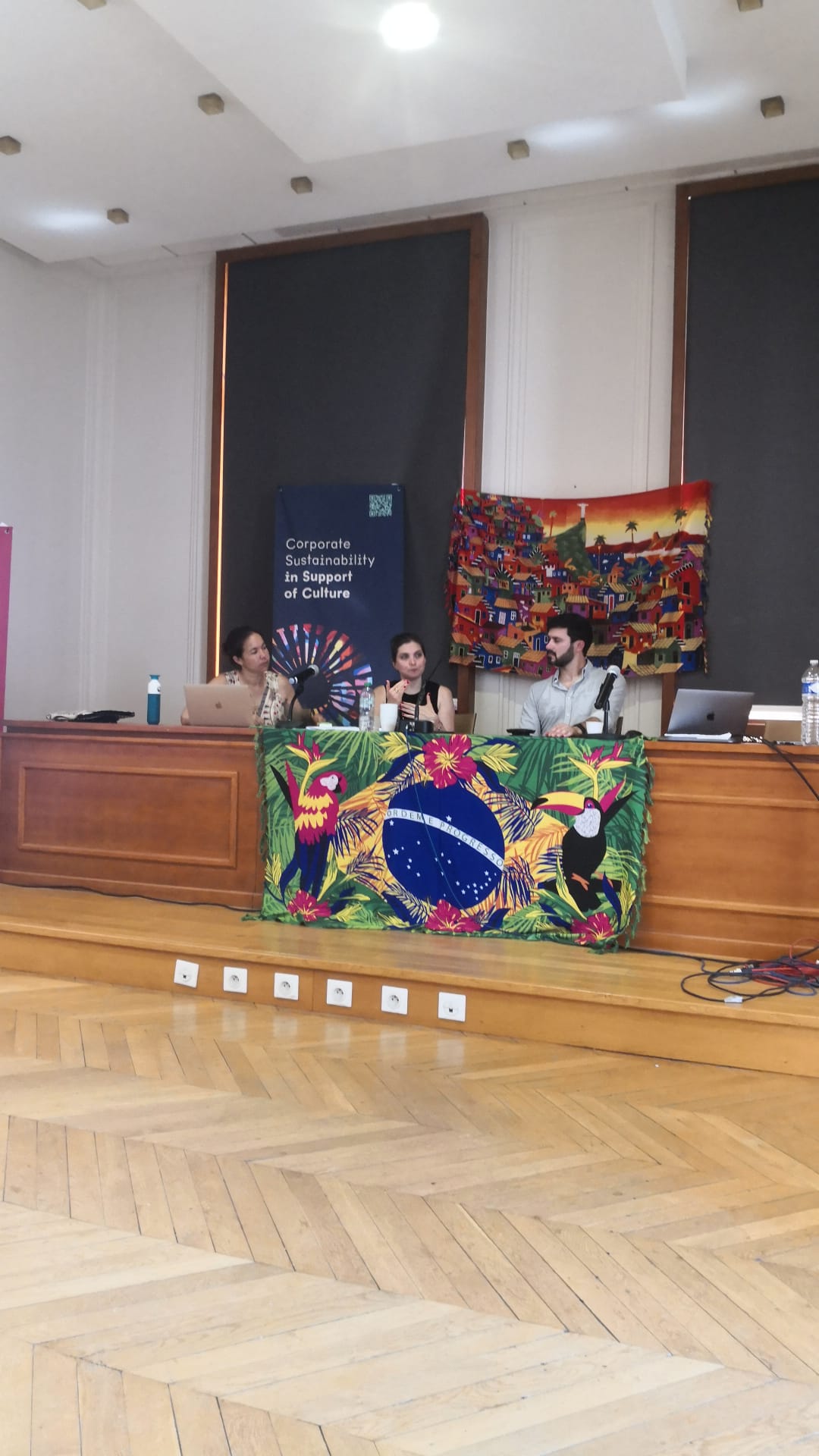
On this occasion, the two co-founders spoke at the roundtable discussion “Culture, Sustainability, and Technological Innovation”, while Sophie Tzitzichvili of Panaskhet and Tidiane Dioh, members of the CSSC Network, were also present to continue discussions with participants and present the Network’s multidisciplinary approach.
Alongside Sandra Gebara Boni (Legal and Compliance Director) and Tobia Ferraro (Mandu Social), the discussions illustrated how cultural diversity can become a true driver of transformation, innovation, and sustainability for organizations.

Cultural Diversity in Corporate Strategies
The discussions underscored that cultural diversity is not merely a matter of corporate social responsibility. When integrated into corporate strategy, it fosters trust, cooperation, employee engagement, innovation, and the creation of sustainable value.
The CSSC Network presented its assessment methodology, as well as the IDC Label, which enable organizations to structure, measure, and promote their commitment to cultural diversity, both internally (e.g., governance, recruitment, career development, cultural rights, work environment) and externally (e.g., community relations, partnerships, support for the cultural and creative sectors through financial or skills-based sponsorship).
Diversity Policies That Transform Organizations
Through the examples presented by Sandra Gebara Boni, the discussions showed that diversity policies produce lasting results when they are based on partnerships, listening to the relevant audiences, and commitment from the leadership.
Initiatives such as the co-development of tools with organizations like Black Sisters in Law, mentoring, and the creation of programs that promote access to new professional opportunities demonstrate that targeted actions can bring about lasting change in an organization’s culture and strengthen its relationships with employees, customers, and all stakeholders.
Beyond the measures implemented, the discussions also underscored that leadership is a key factor: cultural diversity and inclusion yield lasting results when championed at the highest levels of the organization and translated into concrete actions.
Building Sustainable Value Chains
Tobia Ferraro’s presentation illustrated another essential dimension of sustainability: the creation of value chains that bring together businesses, cooperatives, local governments, investors, universities, and local communities.
Through a socio-bioeconomic project developed in the Amazon, he demonstrated that digital tools and artificial intelligence can help structure local supply chains, strengthen their economic viability, and promote knowledge and cultural expressions of the communities that are their primary stakeholders.
This approach underscores that economic performance, environmental preservation, and the promotion of cultural heritage can reinforce one another when the various stakeholders in a region work together to build sustainable development models.
This roundtable highlighted several key lessons for organizations:
- incorporating cultural diversity into their sustainability strategies serves as a powerful driver of innovation, cohesion, and performance;
- concrete actions, even when adopted progressively, can bring about lasting change when they are part of a coherent strategy;
- partnerships with cultural stakeholders, associations, territories, and communities amplify the impact of businesses;
- multi-stakeholder approaches foster the emergence of more inclusive and sustainable business models;
- measuring commitments allows for better management, promotion, and identification of new avenues for progress.
These discussions confirmed a conviction that guides the work of the CSSC Network: organizations today have numerous tools at their disposal to integrate cultural diversity into their sustainability strategies. However, it is still necessary to identify best practices, structure an approach tailored to their context, and measure the progress made.
It is precisely with this in mind that the CSSC Network supports companies through its multidisciplinary approach, its assessment methodology, and the IDC Label, with the aim of making cultural diversity a true driver of innovation, cooperation, and sustainable development.